Metallurgy & Steel
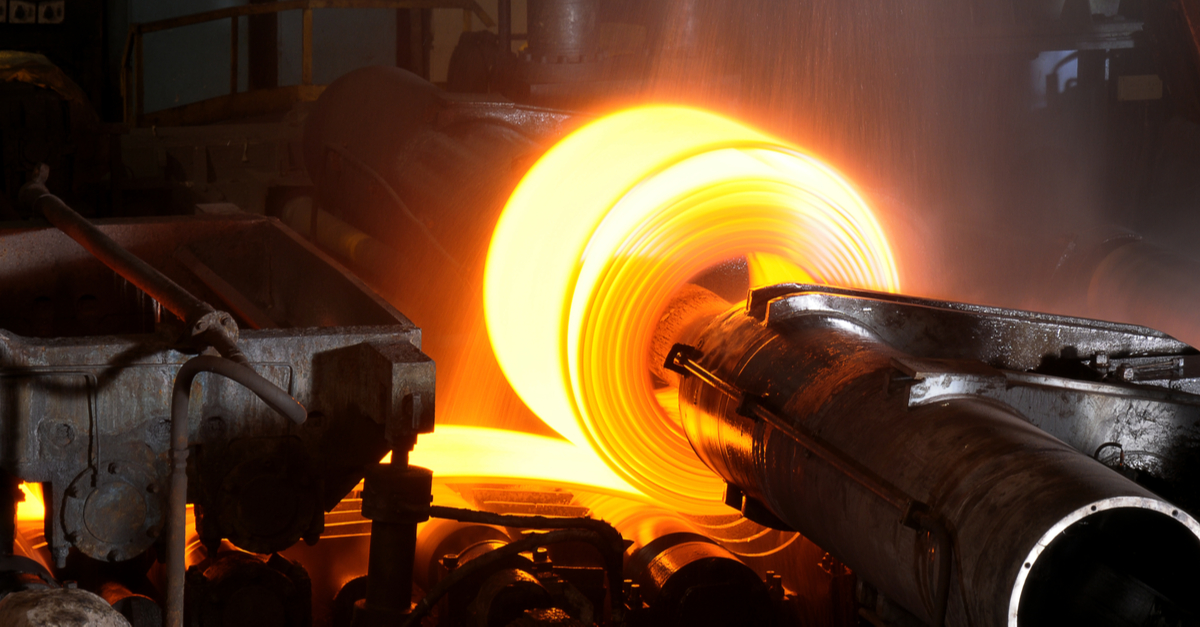
This sector involves the melting, refining, and shaping of ferrous and non-ferrous metals. Our expertise covers the entire value chain of secondary steel:
- Melting & Casting: Using Induction Furnaces to produce Ingots, Billets, and specialized Carbon or Manganese Steel Castings.
- Mechanical Processing: Rolling Mills that convert semi-finished steel into TMT bars, angles, sections, and plates.
- Primary Reduction: Sponge Iron (DRI) plants that provide the raw material for furnaces.
- Specialized Casting: Ferrous wear and abrasion-resistant castings for heavy machinery.
Environmental Clearance (EC)
Consent to Establish (CTE)
CCA/CTO
CGWA/CGWB Permission
Public Hearing
Our Proven Track Record
The environmental challenges in metallurgy are significant: managing high-temperature flue gases, controlling fugitive dust during raw material handling, and the productive utilization of industrial slag.
Our Specialized Services (Since 1990)
I. Pre-Operational Services (Planning & Approval Phase)
- EIA & Air Dispersion Modeling: Using scientific software to predict how furnace emissions will affect the local air quality, ensuring your stack height and APCD are sufficient.
- APCD Engineering Design: Designing high-efficiency Pulse Jet Bag Filters (PJBF), Fume Extraction Systems, and Spark Arrestors to ensure zero visible emissions from the furnace.
- Slag Utilization Plans: Developing "Waste-to-Wealth" strategies, such as using induction furnace slag for road construction or brick making, to satisfy regulatory "Zero Waste" goals.
-
Site Siting & Layout Optimization: Ensuring the plant layout
meets the mandatory 33% Green Belt requirement and statutory buffers
from forests or rivers.
II. Operational Services (Compliance & Optimization)
- Stack & Fugitive Emission Monitoring: Periodic testing of emissions to ensure compliance with the strictly mandated $50\ mg/Nm^3$ (or lower) particulate matter limits.
- Energy & Water Audits: Identifying efficiency leaks in Induction Furnaces and Rolling Mills to reduce operational costs and resource footprints.
- Hazardous Waste Management: Handling "Flue Gas Dust" (which often contains heavy metals) under Form 4 and Form 10 for proper disposal or recycling.
-
Six-Monthly EC Compliance: Ensuring all conditions laid down in the
Environmental Clearance are met and documented to prevent regulatory
penalties.
III. Strategic Regulatory Guidance
- Representation at SEAC/EAC: Defending the technical feasibility of your pollution control measures before Expert Appraisal Committees.
- CREP Compliance: Ensuring Sponge Iron and Steel units adhere to the Corporate Responsibility for Environmental Protection (CREP) guidelines.
-
Liaison for Capacity Expansion: Helping units upgrade from 10-ton to
30-ton furnaces (or higher) by navigating the "Expansion/Modernization"
clauses of the EIA Notification.
The San Envirotech Advantage
The steel industry is under the global microscope for its carbon and dust footprint. Since 1990, San Envirotech has provided the engineering precision and regulatory foresight needed to keep the furnaces running. We ensure that while you build the nation’s infrastructure, we build your environmental resilience.
Consult Our Metallurgy Sector Experts